Articles Tagged with Broward DUI defense lawyer

A DUI arrest is disorienting enough on its own. The moment the handcuffs come off, a new and equally urgent problem takes center stage: how do you get to work? How do you take your kids to school, get to a doctor’s appointment, or simply function as a working adult in Broward County, a place where public transportation is not a meaningful substitute for driving yourself, when your license has been suspended?Fort Lauderdale DUI defense lawyer
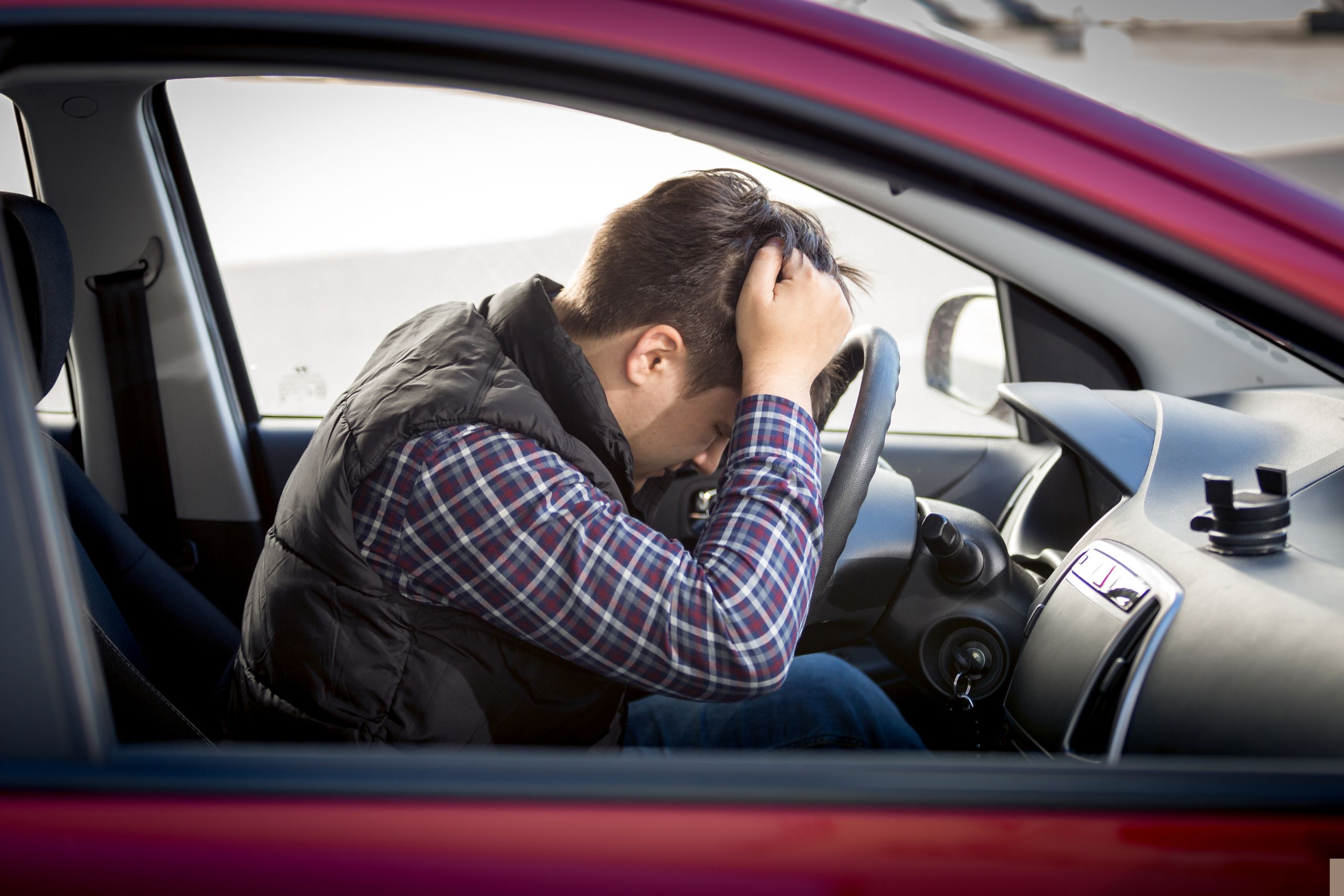
The answer most people hope for is a hardship license. The reality they encounter in 2026 is more complicated, more expensive, and more legally consequential than they ever anticipated. If you are navigating this process, a Fort Lauderdale criminal defense lawyer can be the difference between regaining your freedom of movement quickly and losing it for far longer than the law actually requires.

What a Hardship License Is — and What It Now Demands

A hardship license, formally issued under Florida Statute § 322.271, is a restricted driving privilege that permits a suspended driver to operate a vehicle for specific purposes: traveling to and from work, school, medical appointments, church, and ignition interlock device maintenance. It is not a full reinstatement of driving privileges. It is a limited exception, granted at the discretion of the Florida Department of Highway Safety and Motor Vehicles (FLHSMV) Bureau of Administrative Reviews.

To qualify for a hardship license following a first DUI conviction, a driver must generally enroll in DUI school, apply through the FLHSMV’s Bureau of Administrative Reviews, and under Florida’s updated ignition interlock framework, in many cases demonstrate compliance with the ignition interlock device (IID) requirement as a condition of that restricted license.

This is the paradox: you need to drive to preserve your job and livelihood, but accessing the very license that allows you to do so now frequently requires installation of a monitoring device that carries its own burdensome requirements and costs.

The Expanded IID Mandate: Who It Now Affects

Florida Statute § 316.1937 governs ignition interlock device requirements, and the landscape has shifted materially in recent years. Historically, IIDs were reserved primarily for repeat DUI offenders or those with egregiously high BAC readings. That is no longer the case.

Under the current framework, a court must order IID installation for a minimum of six continuous months even for a first-time DUI offender if that person’s BAC was 0.15% or higher or if a minor was present in the vehicle at the time of the offense. For second convictions, the mandatory IID period extends to a minimum of one year — and two years if the BAC exceeded 0.15% or a minor was present. A third conviction carries a minimum two-year IID requirement, and fourth or subsequent convictions trigger a mandatory five-year IID requirement for any hardship license granted under § 322.271.

Critically, even for a standard first-time DUI without aggravating factors, courts retain broad discretion to order IID installation as a condition of sentencing — and many Broward County judges now routinely do so. The message from the bench is consistent: if you want to drive before your full suspension period ends, the IID is increasingly part of the price of that privilege.

The Hidden Costs Nobody Tells You About

The financial reality of the IID requirement is something prosecutors and administrative hearing officers never volunteer. Here is what the device actually costs a Broward County driver. Continue reading

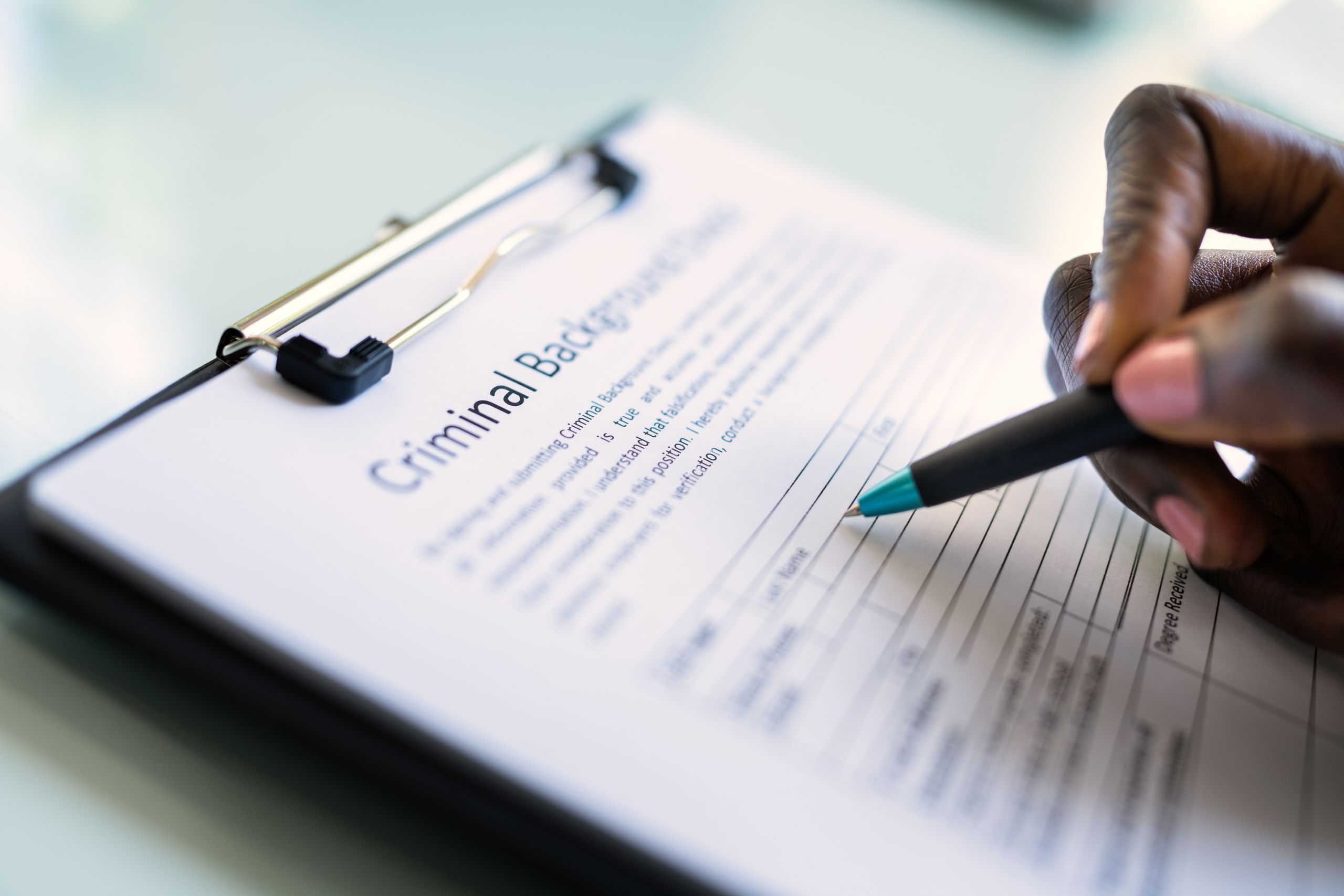
The flashing lights in your rearview mirror trigger an all-too-familiar dread. But this time, the stakes are exponentially higher. If you’ve been convicted of DUI before, a new arrest isn’t just another legal hurdle—it’s a potential gateway to life-altering consequences that could include years behind bars, permanent license revocation, and financial devastation that extends far beyond court costs.Fort Lauderdale DUI defense

Under Florida’s progressive penalty structure, prior DUI convictions don’t simply disappear after you’ve served your sentence. They remain on your record indefinitely, transforming what might otherwise be a manageable legal situation into a catastrophic one. Understanding how these enhancement laws work—and why securing an experienced Broward DUI defense lawyer is absolutely critical—could mean the difference between preserving your freedom and watching your life unravel.

Harsh Reality of Florida DUI Enhancement Laws

Florida Statute § 316.193 establishes a punitive framework that treats repeat DUI offenders with escalating severity. Unlike many other states that allow certain convictions to “wash out” after a specified period, Florida’s lookback period extends indefinitely for felony enhancements, meaning a DUI conviction from decades ago can still elevate your current charges.

Second DUI Offense: Even Misdemeanors Can Become Serious

A second DUI conviction within five years of your first triggers significantly enhanced penalties under F.S. § 316.193(2)(b). The mandatory minimum jail sentence jumps from zero to 10 days, with a maximum of nine months. Your license faces revocation for a minimum of five years, and you’ll be required to install an ignition interlock device for at least one year after reinstatement.

Perhaps most importantly, a second DUI conviction makes you eligible for vehicle impoundment or immobilization for 30 days. This isn’t merely an inconvenience—it’s a direct assault on your ability to maintain employment, fulfill family obligations, and preserve the normalcy of daily life.

Third DUI: Crossing Into Felony Territory

F.S. § 316.193(2)(c) elevates a third DUI conviction to a third-degree felony if it occurs within 10 years of a prior conviction. This transformation from misdemeanor to felony status fundamentally alters the legal landscape. You’re now facing up to five years in prison, five years of probation, and a minimum 10-year license revocation.

The mandatory minimum sentence becomes 30 days in jail. More critically, felony conviction carries collateral consequences that extend far beyond criminal penalties. Employment opportunities vanish, professional licenses may be suspended or revoked, and certain civil rights can be permanently forfeited.

Broward DUI defense lawyerFourth DUI & Beyond: Life-Altering Consequences

A fourth DUI conviction, regardless of when prior convictions occurred, constitutes a third-degree felony under F.S. § 316.193(2)(d). The mandatory minimum sentence increases to 30 days, with potential imprisonment of up to five years. Your driving privileges face permanent revocation, meaning you may never legally drive again without extraordinary legal intervention.

The financial impact alone can be devastating. Beyond court costs, fines, and attorney fees, you’ll face dramatically increased insurance premiums, potential civil liability from any accidents, and the long-term economic consequences of felony conviction status.

Out-of-State Convictions: Your Past Follows You to Florida

Florida’s reach extends far beyond state borders, as state law explicitly allows out-of-state DUI convictions to enhance current charges here. This means a DUI conviction from California, New York, Texas, or any other state can be used to elevate your Florida charges just as if the prior conviction occurred in Broward County.

The implications are profound for individuals who may have relocated to Florida years or even decades after resolving DUI charges elsewhere. That conviction you thought was behind you when you moved to Fort Lauderdale remains a powerful weapon in the prosecutor’s arsenal, capable of transforming a first-time Florida DUI into a second offense with all the accompanying enhanced penalties.

Even more troubling, Florida courts have broad discretion in determining whether out-of-state convictions qualify for enhancement purposes. Offenses that might not technically be called “DUI” in other jurisdictions—such as “driving while intoxicated,” “operating under the influence,” or similar charges—may still trigger Florida’s enhancement provisions if they involve impaired driving.

High Stakes: What You Stand to Lose

The difference between a first-time DUI and a repeat offense in Florida isn’t merely academic—it’s the difference between a manageable legal problem and a life-altering crisis. Enhanced DUI charges in Broward County can result in: Continue reading

In today’s digital age, video evidence has become increasingly crucial in DUI cases throughout Florida. As a Fort Lauderdale DUI defense attorney for over two decades, I’ve seen how police dashcam and bodycam footage can dramatically impact the outcome of DUI prosecutions. This technology presents both opportunities and challenges for defendants, and understanding its implications is essential for anyone facing DUI charges in Broward County.Fort Lauderdale DUI defense

The Double-Edged Sword of Video Evidence

Video footage often reveals crucial details that can strengthen a defense case in ways that written police reports simply cannot capture. Dashcam and bodycam footage can be used to demonstrate:

  • Improper traffic stops. Florida law requires reasonable suspicion for a traffic stop under Terry v. Ohio and its progeny. Video evidence may show that officers lacked adequate justification for the initial stop, potentially leading to suppression of all evidence under the exclusionary rule.
  • Field sobriety test irregularities. The National Highway Traffic Safety Administration (NHTSA) has established standardized protocols for field sobriety tests. Video often reveals that officers deviated from these protocols, administered tests on uneven surfaces, or failed to provide proper instructions — all factors that can undermine the reliability of these tests.
  • Contradictions in police testimony. Officers’ courtroom testimony sometimes differs from what video evidence shows. In State v. Meador, 674 So. 2d 826 (Fla. 4th DCA 1996), Florida’s Fourth District Court of Appeal emphasized the importance of objective evidence in evaluating officer credibility.
  • Normal Driving Patterns. Dashcam footage from the defendant’s vehicle or nearby traffic cameras sometimes shows normal driving behavior that contradicts police claims of erratic driving or impairment indicators.
  • Physical Coordination.: Bodycam footage may actually demonstrate that a defendant exhibited better balance, coordination, and cognitive function than described in police reports.

On the flip side, video evidence isn’t always favorable. Prosecutors frequently use officers’ footage to support their cases. Video evidence may show:

  • Clear Signs of Impairment. Slurred speech, bloodshot eyes, difficulty following instructions, or obvious balance issues captured on camera can be compelling evidence of impairment.
  • Admission of Alcohol Consumption. Many defendants make spontaneous statements about drinking that are captured on bodycam footage, which can be used against them at trial.
  • Failed Field Sobriety Tests. When properly administered and recorded, failed field sobriety tests can provide strong evidence of impairment.
  • Dangerous Driving Behavior. Dashcam footage showing weaving, speeding, or other traffic violations can support the prosecution’s case for impairment.

To Record or Not to Record

Just as officers may record interactions during traffic stops or other police encounters, suspects, defendants and members of the public may do the same. The First Amendment protects the right to record officers in public, as established in Gilk v. Cunniffe, decided in 2011 by the U.S. Court of Appeals for the First Circuit. This principle has been consistently applied by Florida courts as well.

Recording police interactions on your cell phone during a DUI investigation can provide several advantages. Among these: Continue reading

Field sobriety tests (FSTs) are a common tool used by Fort Lauderdale law enforcement officers to determine whether a driver is impaired. These tests are often administered roadside after an officer pulls over a driver they suspect of driving under the influence (DUI). However, the accuracy and reliability of these tests are not as solid as they may seem. As a Fort Lauderdale criminal defense lawyer, I see firsthand the limitations of FSTs, which can be affected by numerous factors unrelated to alcohol. Understanding these limitations and possible defense strategies can be crucial to protecting your rights if you’re facing a DUI charge based on field sobriety test results.Fort Lauderdale field sobriety tests

Types of Field Sobriety Tests

There are three main types of standardized field sobriety tests that Fort Lauderdale officers use, which were developed by the National Highway Traffic Safety Administration (NHTSA):

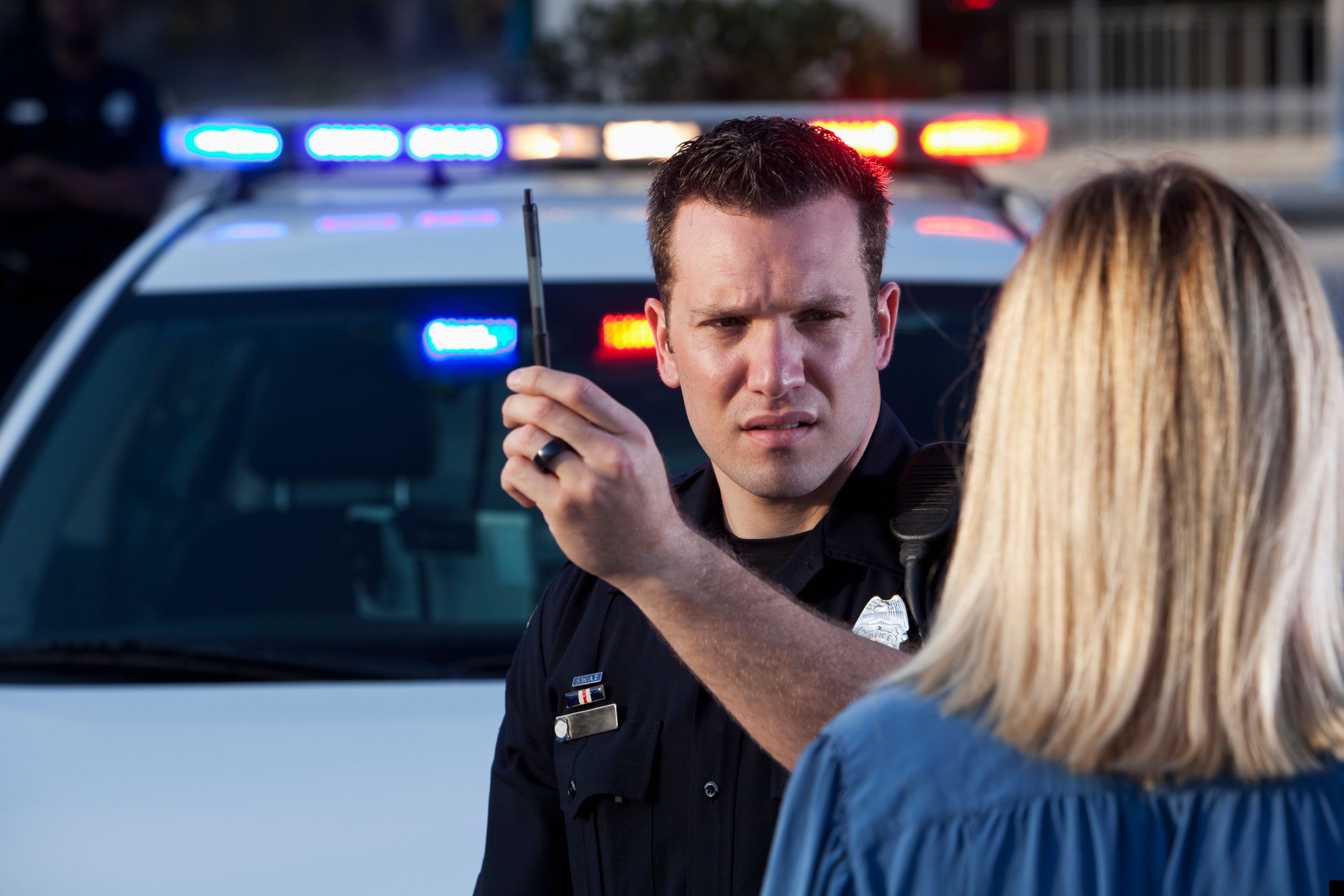
  1. Horizontal Gaze Nystagmus (HGN) – During this test, the officer asks the driver to follow a small object, like a pen, with their eyes. The officer looks for involuntary jerking of the eyes, which is believed to be more pronounced when someone is under the influence of alcohol.
  2. Walk-and-Turn Test – This test requires the driver to take nine steps, heel-to-toe, along a straight line, turn, and walk back in the same manner. The officer observes for signs of impairment, such as losing balance, missing steps, or failing to follow instructions.
  3. One-Leg Stand Test – Here, the driver must stand on one leg with the other about six inches off the ground while counting aloud. The officer watches for indicators of impairment, such as swaying, using arms for balance, or putting the foot down.

Limitations and Inaccuracy of Field Sobriety Tests

Field sobriety tests are subjective and can often yield inaccurate results. While these tests may be standardized, they are still susceptible to human error, environmental factors, and the physical condition of the driver.

Some common limitations and inaccuracies that can arise:

  • Physical and Medical Conditions: Certain medical conditions, such as inner ear disorders, neurological issues, or physical injuries, can mimic signs of impairment, leading to inaccurate results. For example, someone with vertigo may struggle with balance during the one-leg stand test, even if they are not impaired.
  • Environmental Factors: Uneven road surfaces, weather conditions, poor lighting, and nearby traffic can all affect the accuracy of field sobriety tests. If the walk-and-turn test is performed on an uneven surface, a sober person may have difficulty maintaining their balance.
  • Officer Interpretation: FSTs rely heavily on an officer’s interpretation of the driver’s performance. Officers may unintentionally misinterpret a driver’s actions, particularly if they expect impairment. Small errors, like missing a step or swaying slightly, may be noted as signs of intoxication even when they aren’t.

In the landmark case of State v. Taylor, 648 So. 2d 701 (Fla. 1995), the Florida Supreme Court recognized that field sobriety tests are not scientifically reliable for determining intoxication and that these tests must be corroborated by other evidence to hold up in court. This case underscores that FSTs alone do not definitively prove impairment and may be challenged in a South Florida courtroom.

Defense Strategies for Challenging Field Sobriety Tests

An experienced criminal defense attorney in Fort Lauderdale can employ a variety of strategies to challenge field sobriety test results in DUI cases.

Some common criminal defense strategies: Continue reading

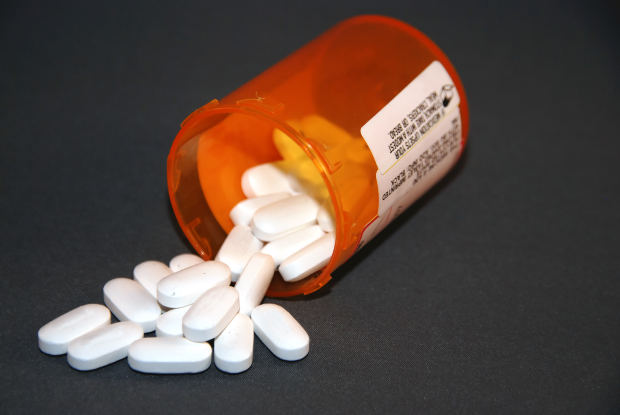
Driving under the influence typically means driving under the influence of alcohol.  However, F.S. 316.193 also provides that one could be found guilty of driving under the influence of drugs.  This includes illicit street drugs and prescription narcotics.

DUI Drugs South Florida In the case of a DUI drugs in South Florida, it doesn’t matter if you have a valid prescription or not.  If you do not have valid prescription, and you have the drugs in your vehicle or on your person at the time of your arrest, you could also be charged with possession of a controlled dangerous substance, but it would not have bearing on your DUI drugs charge. Continue reading

According to a recent news report from TC Palm, Florida Representative Cary Pigman is now on probation after being convicted on DUI charges.  He pleaded no contest to a single charge of driving under the influence of alcohol.  He was not sentenced to any jail time, but he was sentenced instead to one year of probation.

Broward DUI defense He also has his driver’s license suspended for a period of six months and was ordered to pay a fine.  In his case, the fine was $500.  He was also ordered to complete 50 hours of community service and attend a traffic alcohol program with an emphasis on driving. Continue reading

Contact Information